Our Journey: Building a Sustainable Future Together,
1994 – 2000 | Laying the Foundation for Change
A Vision Takes Root: CIRHEP was founded with a clear mission to restore degraded lands, improve rural health, and empower communities through sustainable natural resource management.
2000 – 2001 | Expanding Our Reach
Gaining Recognition: As our work deepened, we built strong relationships with farmers, women, and children. Early project support enabled us to strengthen community participation and scale grassroots action.
2002 – 2003 | Watershed Development & Sustainable Livelihoods
Restoring Land and Water Security: Community-led watershed programmes replenished groundwater and enabled year-round irrigation.
Empowering Farmers: Training in soil conservation, water management, and sustainable farming improved productivity and livelihoods.
2004 – 2005 | Organic Agriculture, Nutrition & Women’s Land Rights
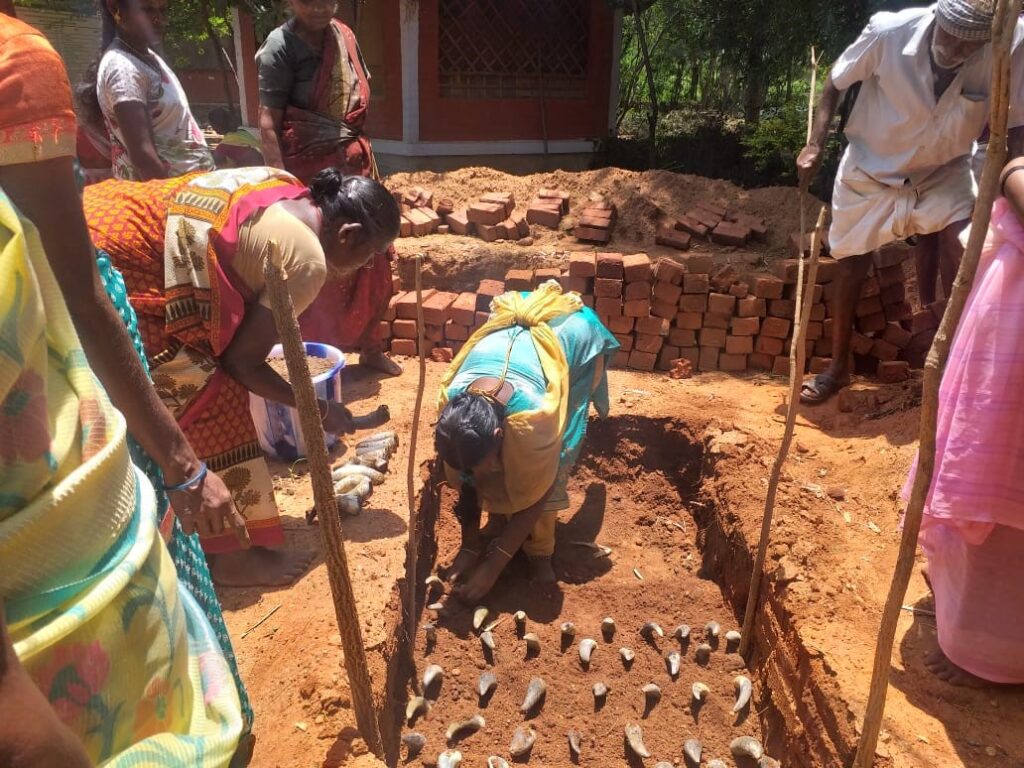
Transition to Chemical-Free Farming: Farmers adopted organic and biodynamic practices, improving soil health while reducing costs.
Kitchen Gardens for Nutrition: Families began cultivating vegetables for household nutrition and supplementary income.
Women’s Land Rights: Efforts focused on securing women’s access to land and agricultural resources.
2006 – 2010 | Partnerships, Financial Inclusion & Youth Engagement
Stronger Through Collaboration: Partnerships with government agencies, NGOs, and researchers expanded watershed and rural development work.
Women’s Financial Independence: Self-Help Groups enabled access to microcredit, entrepreneurship training, and savings systems.
Youth Leadership: Programmes addressed reproductive health, gender equality, and leadership development among rural youth.
2011 – 2015 | Climate-Resilient Farming, Water Security & Climate Justice
Adapting to Climate Change: Farmers adopted drought-resistant crops and climate-smart agricultural practices.
Water for the Future: Construction of check dams, farm ponds, and rainwater harvesting systems improved water security.
Climate Justice: CIRHEP advocated for inclusive climate policies that amplified the voices of marginalised communities.
2016 – 2020 | Farmer Networks & Environmental Education
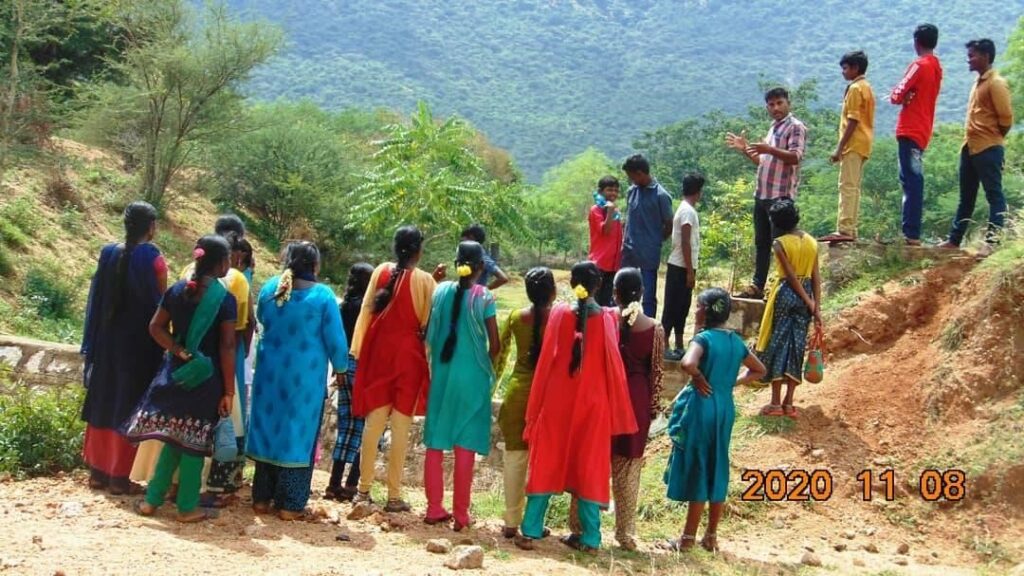
Nurturing Young Environmental Leaders: Nature School programmes introduced experiential environmental education for children and youth.
Farmer Producer Companies (FPCs): Collective enterprises strengthened market access, bargaining power, and farm incomes.
Integrated Climate Action: Climate resilience was embedded across all development programmes.
2021 – 2023 | Sustainable Agriculture, Women’s Livelihoods & Youth Empowerment
Scaling Organic and Millet-Based Farming: Families improved soil health, food security, and farm sustainability.
Women Entrepreneurs Rising: Business development and financial literacy supported women’s economic independence.
Investing in Young Leaders: Leadership and health awareness initiatives equipped adolescents to drive community change.
2024 – 2027 | Transforming Adivasi Communities
Financial Inclusion & SHGs:
Over 200 Adivasi families are forming Self-Help Groups, strengthening savings practices and small enterprises.
Better Incomes & Nutrition:
More than 140 households are cultivating vegetables, millets, and pulses, increasing annual incomes by ₹10,000–15,000 while improving food security.
Healthier Livestock, Stronger Livelihoods:
Livestock mortality has been reduced from around 40% to below 20%, supporting stable and diversified rural incomes.
Restoring Land & Forests:
Reforestation and land restoration efforts are reviving ecosystems and strengthening long-term livelihood resilience.
Advancing Climate Justice:
The programme promotes climate-resilient livelihoods and advocates for policies that protect marginalised communities from climate risks.
Rights-Based Programme
CIRHEP adopts a rights-based approach that recognises land, forest, water, health, and livelihood as fundamental human rights. Through legal literacy, community mobilisation, and leadership development, we support women and Indigenous communities to understand, claim, and defend their rights. The programme strengthens collective action and promotes accountability in local governance and public services.
Indigenous Land and Rights Programme
This programme focuses on securing land, forest, and livelihood rights of Adivasi and Indigenous communities. CIRHEP works with community leaders to raise awareness of constitutional and customary land rights, prevent land alienation, and promote sustainable resource management. Women’s leadership in land governance and collective advocacy for environmental justice are central to this work.
Health Research Programme
CIRHEP undertakes community-based health research to understand the health and nutrition challenges of rural and tribal populations. Through field studies, data collection, and participatory analysis, we generate evidence to inform local health planning and policy advocacy. The programme links research with action by supporting preventive healthcare, nutrition awareness, and improved access to public health services.
Community-Led Development: Empowering People, Creating Change
At CIRHEP, we believe real change happens when communities take the lead. Our Community-Driven Participatory Development (CDPD) approach ensures that the people we work with are not just beneficiaries but active decision-makers in shaping their future.By building on local knowledge, strengthening skills, and fostering collaboration, we help individuals make the most of their resources. Over the years, thousands of rural women, farmers, and marginalized groups have become leaders, innovators, seed savers, and climate-resilient farmers—driving lasting change from the ground up.
Where We Work
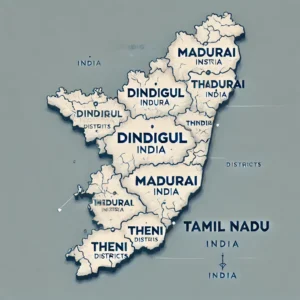
CIRHEP works across Dindigul, Madurai, and Theni districts in Tamil Nadu, supporting rural communities through sustainable development, natural resource management, and empowerment initiatives. From the Kadavakurichi Reserve Forest to farming villages, we collaborate with local communities to create climate-resilient livelihoods, protect ecosystems, and drive inclusive growth. Our work ensures that both people and nature thrive together.
Beneficiaries & Stakeholders: Building Inclusive and Resilient Communities
At CIRHEP, we work closely with resource-poor farmers, women, youth, students, adolescents, and indigenous communities to create sustainable livelihoods, strengthen environmental resilience, and promote social equity.
Our Key Beneficiaries
Farmers & Agricultural Groups – Supporting smallholder farmers, seed producers, and Farmer Producer Organizations (FPOs) to enhance productivity and resilience.
Women & Youth – Empowering self-help groups (SHGs), youth clubs, and rural entrepreneurs to achieve economic independence and leadership.
Students & Adolescents – Providing environmental education, life skills training, and career development support to nurture future changemakers.
Indigenous & Tribal Communities – Preserving traditional knowledge, securing land rights, and promoting sustainable resource management.
Our Key Stakeholders
Government & Local Governance – Collaborating with government departments, Panchayat leaders, and policymakers to drive impactful change.
Consumer & Market Networks – Strengthening sustainable supply chains and ethical trade practices to support rural economies.
Elected Representatives – Working alongside MLAs, MPs, and policymakers to advocate for inclusive and sustainable rural development.
Together, we are building stronger, more resilient communities for a sustainable future.Our Journey: Building a Sustainable Future Together