OUR JOURNEY: BUILDING A SUSTAINABLE FUTURE TOGETHER CIRHEP: 1994–2026
More Than Three Decades of Community-Led Rural Development
Our Story
- Since its establishment in 1994, the Centre for Improved Rural Health and Environmental Protection (CIRHEP) has worked to improve the lives of rural and Indigenous communities in Tamil Nadu, India. Founded in response to challenges such as environmental degradation, water scarcity, rural poverty and declining livelihood opportunities, CIRHEP has followed a community-centred approach to sustainable development.
Over more than three decades, our work has evolved from grassroots environmental protection and rural development towards integrated programmes that connect natural resource management, climate resilience, sustainable agriculture, women’s empowerment, Indigenous rights, education and livelihood security.
Our journey reflects a continuing commitment to working alongside communities, strengthening local institutions, protecting ecosystems and building a more equitable and sustainable future.
1994–2000 | Laying the Foundation for Change
Building the foundations of community-led development
CIRHEP was established in 1994 with a vision of improving rural health, protecting the environment and supporting communities facing social, economic and ecological challenges.
During its formative years, the organisation focused on understanding the needs of rural communities and building relationships based on participation, trust and collective action.
Key areas of focus:
- Promoting environmental awareness and responsible use of natural resources.
- Addressing local concerns related to degraded land and water scarcity.
- Supporting awareness of rural health, sanitation and community well-being.
- Encouraging community participation in identifying local development priorities.
- Building a grassroots foundation for long-term rural development.
This period established the values that continue to guide CIRHEP: community participation, environmental responsibility, social inclusion and sustainable livelihoods.
2000–2001 | Expanding Our Reach
Strengthening relationships with rural communities
As CIRHEP’s grassroots engagement developed, the organisation continued building relationships with farmers, women, children and other community members. The emphasis was on understanding local challenges and encouraging people to participate in decisions affecting their lives.
Key areas of focus:
- Strengthening community participation in rural development activities.
- Building relationships with farming households and women’s groups.
- Encouraging environmental awareness among children and young people.
- Identifying opportunities to expand community-based initiatives.
- Establishing a stronger foundation for collaborative development programmes.
These efforts helped strengthen CIRHEP’s identity as a community-based organisation committed to practical, locally informed solutions.
2002–2003 | Watershed Development and Sustainable Livelihoods
Restoring land and strengthening water security
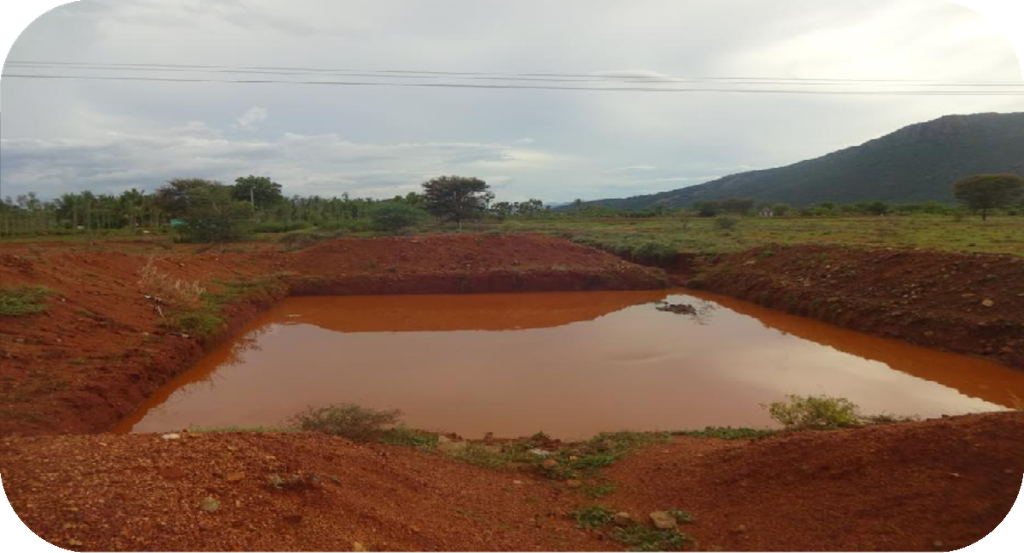
Water and land resources are essential to rural livelihoods. During this phase, CIRHEP’s work increasingly focused on watershed development, soil conservation, water management and the relationship between natural resources and agricultural livelihoods.
Key areas of focus:
- Promoting soil and water conservation practices.
- Supporting community participation in watershed management.
- Encouraging groundwater recharge and improved water-use practices.
- Providing farmers with knowledge of sustainable agriculture and natural resource management.
- Connecting environmental conservation with agricultural productivity and livelihood security.
This phase reinforced the importance of managing land and water resources together, with local communities playing an active role in protecting their natural environment.
2004–2005 | Organic Agriculture, Nutrition and Women’s Land Rights
Connecting healthy ecosystems with healthy communities
CIRHEP continued to broaden its approach by linking sustainable farming with household nutrition and women’s participation in rural development.
Key areas of focus:
- Promoting organic and biodynamic agricultural practices.
- Encouraging reduced dependence on chemical agricultural inputs.
- Supporting kitchen gardens for household nutrition and supplementary livelihood opportunities.
- Raising awareness of women’s access to land and agricultural resources.
- Encouraging women’s participation in decisions concerning natural resources and farming.
The organisation’s approach recognised that agricultural sustainability, family well-being and women’s empowerment are closely connected.
2006–2010 | Partnerships, Financial Inclusion and Youth Engagement
Building stronger community institutions
During this period, CIRHEP strengthened its approach to collaborative development by building partnerships and supporting community institutions. Women’s groups, farmer collectives and youth engagement became important elements of its work.
Key areas of focus:
- Expanding community-based natural resource management and land restoration activities.
- Strengthening women’s Self-Help Groups (SHGs).
- Encouraging savings, financial inclusion and opportunities for small enterprises.
- Supporting farmer training and community leadership development.
- Engaging rural youth on health awareness, gender equality and leadership.
- Strengthening cooperation with development organisations, public institutions and other partners.
This period highlighted the importance of strong local institutions in sustaining development achievements beyond individual projects.
2011–2015 | Climate-Resilient Farming, Water Security and Climate Justice
Preparing communities for changing environmental conditions
As climate variability and water stress became increasingly important concerns, CIRHEP strengthened the connection between environmental conservation, agricultural adaptation and rural livelihood security.
Key areas of focus:
- Encouraging climate-resilient and diversified farming practices.
- Promoting drought-tolerant crops and sustainable agricultural methods.
- Supporting rainwater harvesting and improved water management.
- Encouraging the conservation of soil, water and local ecosystems.
- Strengthening awareness of the challenges climate change creates for vulnerable rural households.
- Promoting the participation of marginalised communities in discussions about environmental sustainability and climate justice.
This phase helped strengthen CIRHEP’s integrated approach to rural development, recognising that resilient livelihoods depend on healthy ecosystems and community capacity to respond to changing conditions.
2016–2020 | Farmer Networks and Environmental Education
Strengthening collective action and the next generation of environmental leaders
CIRHEP continued to connect environmental sustainability with community institutions, farmer development and education. Collective action and environmental awareness became increasingly important to long-term rural resilience.
Key areas of focus:
- Promoting experiential environmental education for children and young people.
- Encouraging awareness of biodiversity, conservation and responsible resource use.
- Supporting farmer networks and collective approaches to agricultural development.
- Strengthening community participation in climate-resilient development.
- Encouraging sustainable agricultural practices and diversified livelihoods.
- Promoting leadership, collaboration and local responsibility for environmental protection.
This period reinforced the role of education and collective institutions in building a sustainable future for rural communities.
2021–2023 | Sustainable Agriculture, Women’s Livelihoods and Youth Empowerment
Creating opportunities for inclusive and sustainable development
CIRHEP continued to develop integrated approaches that connected farming, nutrition, women’s economic opportunities, youth participation and environmental protection.
Key areas of focus:
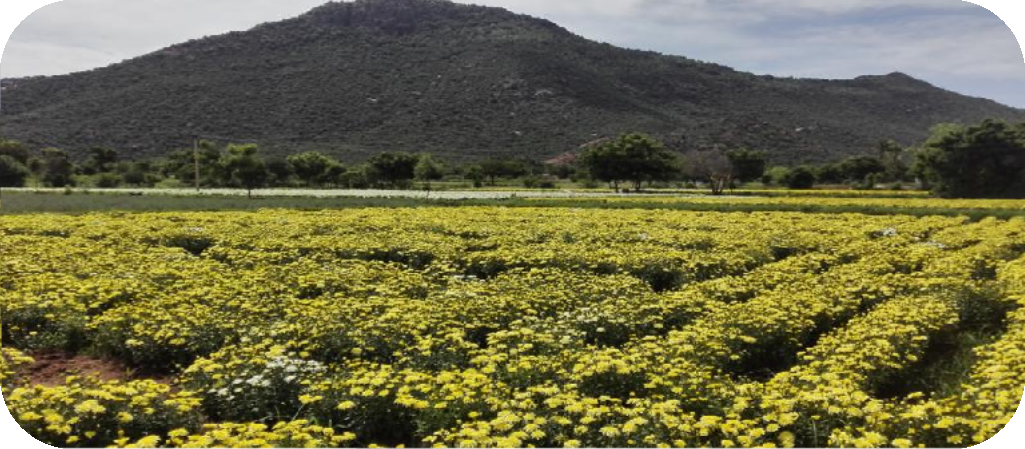
- Encouraging organic farming, millet cultivation and diversified cropping systems.
- Supporting sustainable agricultural practices that improve soil health and food security.
- Strengthening women’s livelihood opportunities, entrepreneurship and financial awareness.
- Encouraging young people to participate in leadership and community development.
- Promoting health awareness and environmental education.
- Strengthening community-based approaches to natural resource conservation and climate resilience.
The organisation continued to recognise women, farmers and young people as active contributors to sustainable rural development.
2024–2026 | Advancing Indigenous Rights and Climate-Resilient Livelihoods
Strengthening Indigenous communities, women’s leadership and environmental justice
CIRHEP’s current phase builds on more than three decades of grassroots experience. Its work continues to address the interconnected challenges of climate change, rural livelihood insecurity, environmental degradation and the social and economic exclusion of vulnerable communities.
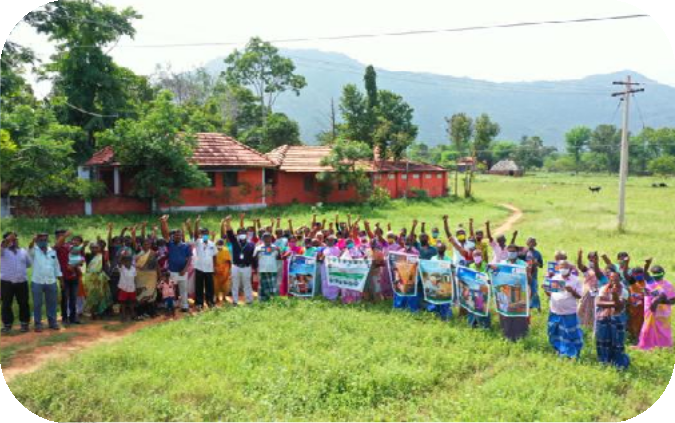
Particular attention is given to Indigenous communities in the Kodaikanal Hills and other rural areas of Tamil Nadu, alongside small and marginal farmers, women and young people.
Key areas of focus:
1. Indigenous community development and rights
- Supporting Indigenous communities to strengthen participation in decisions affecting their lives and livelihoods.
- Promoting awareness of land rights, access to entitlements and social protection.
- Supporting Indigenous women’s leadership and community representation.
- Encouraging culturally appropriate and community-led development approaches.
2. Women’s leadership and economic empowerment
- Strengthening women’s Self-Help Groups and collective institutions.
- Supporting sustainable livelihood opportunities and financial inclusion.
- Encouraging women to participate in natural resource governance and community decision-making.
- Promoting leadership development and women’s role in climate resilience.
3. Sustainable agriculture and food security
- Promoting millets, pulses, vegetables and other locally appropriate crops.
- Encouraging organic farming, kitchen gardens and sustainable agricultural practices.
- Supporting access to seeds, agricultural knowledge and community-based resources.
- Strengthening household food security and diversified livelihoods.
4. Climate resilience and ecosystem restoration
- Promoting soil and water conservation and sustainable natural resource management.
- Encouraging ecological restoration and biodiversity conservation.
- Supporting communities facing climate-related livelihood challenges.
- Connecting environmental protection with long-term livelihood recovery.
5. Farmer institutions and collective livelihoods
- Supporting farmer organisations and collective enterprise development.
- Encouraging improved market access and value addition.
- Strengthening community-based approaches to agricultural development.
- Promoting more sustainable and resilient rural economies.
6. Education, youth and community well-being
- Encouraging environmental education and youth participation.
- Supporting awareness of health, nutrition and social protection.
- Promoting opportunities for children and young people in rural and Indigenous communities.
- Strengthening community knowledge, leadership and collective action.
During this phase, CIRHEP continues to build on its long-standing relationships with communities and development partners to advance inclusive, community-led and climate-resilient development.
Looking Ahead | Our Vision for the Future
Working together for resilient communities and a healthier environment
As CIRHEP moves forward, our commitment remains rooted in the belief that sustainable development is possible when communities have the knowledge, resources, institutions and opportunities to shape their own futures.
Our priorities include:
- Scaling up climate-resilient agriculture and watershed management.
- Strengthening Indigenous rights and women’s leadership.
- Expanding sustainable livelihoods and farmer-led enterprises.
- Supporting ecological restoration, biodiversity and responsible natural resource management.
- Promoting environmental education and youth leadership.
- Strengthening partnerships, community institutions and local capacities.
- Advancing social inclusion, climate justice and long-term community resilience.
Our Commitment
From our beginnings in 1994 to our continuing work in 2026, CIRHEP remains committed to working alongside rural and Indigenous communities, protecting the natural environment and creating opportunities for a healthier, more equitable and sustainable future.
CIRHEP — Building climate-resilient rural communities through environmental conservation, sustainable livelihoods and holistic well-being since 1994.
Values
CIRHEP has rooted in values, such as Grassroots action, Collaboration, Enabling, Innovation, Excellence, and Self-Regulation. CIRHEP believes that these values are its core strength needed to realise its Vision and Mission.
Approach
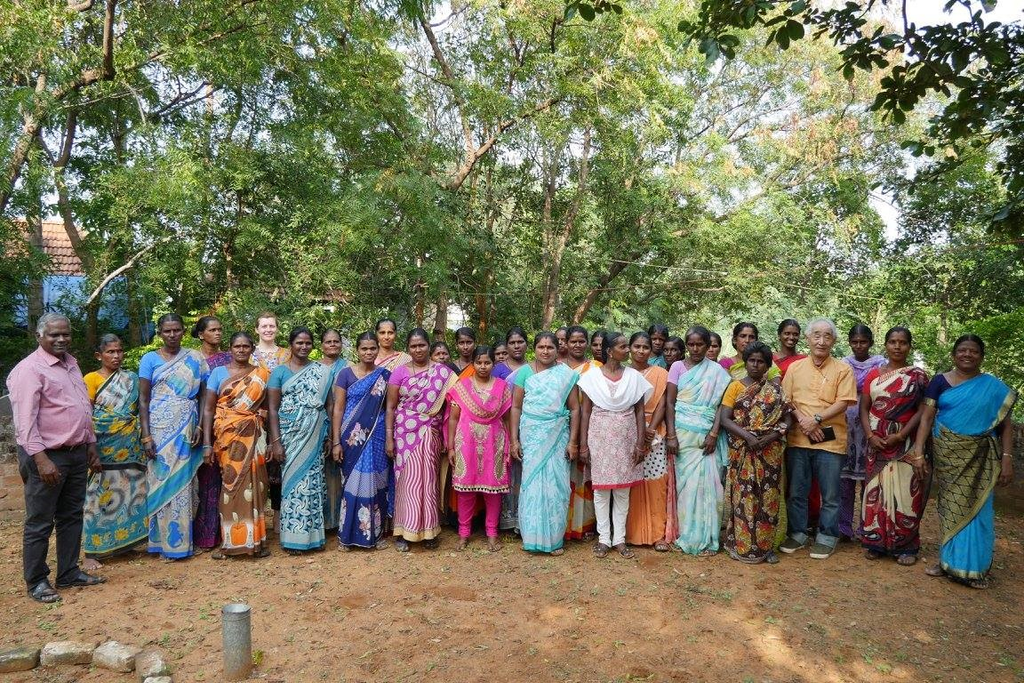
The unique Community Driven Participatory Development approach of CIRHEP places communities at the heart of all development activities. We help them build upon their assets, enhance their capacities, and ensure their active participation in all stages of development. Hundreds of thousands of non-literate rural folks, especially women, have transformed themselves into effective agents of change and emerged as strong community leaders, innovators, seed savers, resilient farmers as a result of relentless capacity building processes.
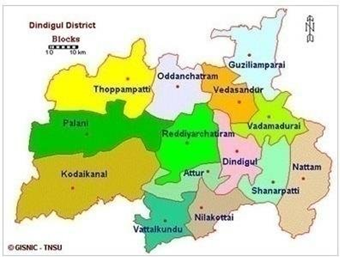
Geographical area of operation
Beneficiaries and stakeholders
The target beneficiaries of CIRHEP are predominantly resource poor, small and marginal landholding farmers, women, youth, students and their associate groups like farmers groups, women groups, youth clubs, seed producers, farmers producer organizations, network of seed producers. CIRHEP also have a list of stakeholders ranging from various line department, Panchayat leaders, consumer network, policy makers and also elected people’s representatives like MLAs and MPs within its constituency