
Growing Together, Restoring Nature, Strengthening Communities
Since 1994, CIRHEP has worked alongside rural communities in Tamil Nadu to protect natural resources, strengthen livelihoods and create better opportunities for women, farmers, young people and Indigenous communities.
For us, development is not just about completing a project. It is about whether a farmer can continue cultivating the land, whether a family has access to water, whether women can make decisions about their future, and whether communities have the confidence and resources to face difficult times.
Over the years, we have seen how people can bring lasting change when they have the opportunity to learn, organise, share their knowledge and take the lead in decisions that affect their lives.
Our work continues to connect environmental protection with the everyday needs of rural families. From watershed development and sustainable farming to women’s leadership and Indigenous rights, we work with communities to build a future that is secure, fair and sustainable.
Our Journey of Change
More than 30 years of working with communities
Since CIRHEP was established in 1994, our work has grown in response to the needs of the communities we serve.
In the early years, we focused on environmental protection, drinking water, rural health and the restoration of degraded land. As we worked more closely with farmers and rural families, it became clear that water scarcity, declining soil fertility, agricultural costs and migration were closely connected.
Our work gradually expanded to include watershed development, organic farming, women’s self-help groups, farmer institutions, livelihood development, environmental education and support for Indigenous communities.
Today, we continue this work with a stronger focus on climate resilience, sustainable livelihoods, community leadership and the rights of people who are often left out of development decisions.
What Has Changed Through Our Work?
1. Water and Land Restoration
Water is essential to farming, family life and the future of rural villages. Through watershed development and soil and water conservation activities, CIRHEP has worked with communities to improve the management of local natural resources.
Our work includes check dams, farm ponds, groundwater recharge measures, soil conservation, tree planting and community participation in watershed management.
These efforts have helped improve water availability in project areas, conserve soil moisture and support farming in places where families depend heavily on rainfall.
We also encourage communities to take responsibility for maintaining local resources so that the benefits can continue beyond individual projects.
2. Farmers Returning to Sustainable Agriculture
For small and marginal farmers, rising cultivation costs, unpredictable rainfall and declining soil health can make farming increasingly difficult.
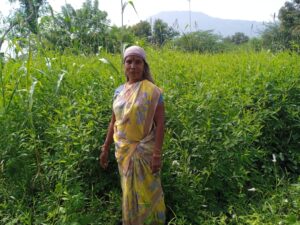
CIRHEP works with farmers to explore practical, affordable and environmentally responsible farming methods. Our activities include organic farming, compost preparation, vermicomposting, traditional seed conservation, crop diversification, kitchen gardens and the cultivation of millets, pulses and vegetables.
Farmer groups and collective institutions provide opportunities for sharing knowledge, discussing common challenges and improving access to markets and other services.
Our long-standing experience in the Kadavakuruchi area shows the importance of combining water conservation, sustainable farming and community participation. As local water resources and farming practices improved, families gained better opportunities to continue their agricultural livelihoods instead of depending entirely on outside employment.
3. Women Taking Leadership
Women have always played an important role in rural households, agriculture and the management of natural resources. However, their contribution has not always been matched by equal opportunities to make decisions or access financial resources.
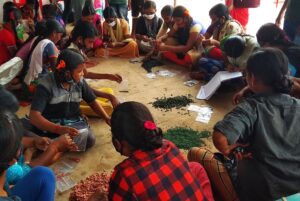
Through women’s Self-Help Groups, CIRHEP supports savings, access to credit, livelihood activities, leadership development and greater participation in community decisions.
These groups provide women with opportunities to come together, discuss their concerns, develop skills and support one another.
CIRHEP’s organisational profile records support for more than 150 women-led Self-Help Groups. Our continuing priority is to help women strengthen their economic security, confidence and role in shaping their communities.
4. Indigenous Communities and Their Rights
CIRHEP works with Indigenous and Adivasi communities, including Paliyar and Pulayar communities in the areas where we work.
Families living in remote and forest-fringe settlements often face difficulties relating to livelihoods, access to public services, education, land security and basic facilities.
Our work includes livelihood support, nutrition gardens, sustainable agriculture, community organisation, awareness of rights and access to government services.
We also recognise the importance of traditional knowledge, culture and the relationship Indigenous communities maintain with their land and forests.
We work alongside community members to strengthen their voices, support women leaders and encourage participation in decisions affecting their homes, livelihoods and natural resources.
5. Better Opportunities for Children and Young People
The future of rural communities depends on the opportunities available to their children and young people.
CIRHEP supports environmental education, school-based activities, leadership development, life-skills learning and awareness of health and social issues.
Through practical activities, nature-based learning and community participation, young people can develop a better understanding of the environment around them and their role in protecting it.
We want young people to have the knowledge, confidence and opportunities to contribute to their communities while building their own futures.
6. Skills, Knowledge and Community Institutions
Lasting change depends on people having the knowledge, skills and local institutions needed to continue their work.
CIRHEP’s Natural Resource Management Training Centre provides a place for farmers, women, young people, community leaders and partner organisations to learn and exchange experiences.
Training and demonstrations cover sustainable agriculture, natural resource management, livelihood development and community organisation.
Through Self-Help Groups, farmer collectives, producer organisations and village-level groups, we encourage people to work together, share responsibilities and take greater ownership of local development.
A Story of Change: From Water Scarcity to Renewed Hope
The Kadavakuruchi experience
The experience of communities around the Kadavakuruchi Reserved Forest area is an important part of CIRHEP’s history.
Years of pressure on natural resources, changes in agricultural practices and unreliable rainfall contributed to serious water shortages. Farmers who depended on rainfall struggled to maintain their crops. The increased use of groundwater for irrigation placed additional pressure on already limited water resources.
For many small and marginal farming families, continuing agriculture became increasingly difficult. Some people left their villages to search for employment elsewhere.
CIRHEP was established in 1994 in response to challenges such as these. Working with local communities and development partners, the organisation supported watershed improvement, soil and water conservation, sustainable farming and the formation of women’s Self-Help Groups.
Over time, these efforts helped communities strengthen their ability to manage local resources and livelihoods. Farmers gained opportunities to improve their agricultural practices, women developed stronger collective institutions, and communities became more involved in decisions about their future.
The promotion of organic farming, supported by collaboration with development partners, further encouraged more sustainable approaches to agriculture.
This experience remains an important reminder that restoring land and water is closely connected to restoring livelihoods, confidence and opportunities for rural families.
The lasting lesson is simple: when communities have the support and opportunity to lead their own development, change can continue long after a project ends.
Our Work in Numbers
CIRHEP’s organisational profile records the following areas of engagement.
-
1994 — The year CIRHEP was established.
-
100+ villages — Long-term community engagement across rural Tamil Nadu.
-
150+ women’s Self-Help Groups — Supporting collective action, financial inclusion and women’s leadership.
-
Thousands of people trained — Farmers, women, young people and community leaders reached through practical learning and capacity-building activities.
These figures reflect CIRHEP’s organisational experience across different programmes and periods. Project-specific results may vary by location and reporting period.
Change Through Partnership
CIRHEP’s work has developed through the efforts of local communities, staff, volunteers, government departments and supporting organisations.
Partnerships have helped bring technical knowledge, training opportunities and resources to villages where they are needed. Equally important has been the willingness of community members to participate, share their experiences and take responsibility for local initiatives.
We are grateful to all the individuals and organisations who have walked alongside us over the years. Their support has helped strengthen community institutions and sustain work on water security, sustainable agriculture, women’s empowerment and rural livelihoods.
[Place the verified logos of CIRHEP’s partners and supporting organisations here, with appropriate names and links where available.]
Remembering the People Who Built This Journey
CIRHEP’s history has been shaped by people who dedicated their time and effort to rural development and environmental protection.
We remember with respect the contributions of Ms. K. A. Chandra, former Secretary, and acknowledge the work of the governing body, staff members, community leaders and partners who have contributed to the organisation’s journey.
Their commitment, together with the continued participation of rural communities, remains an important part of CIRHEP’s work today.
[Place the photographs of former leaders and historical documents here, with accurate names, designations and dates.]
Looking Ahead
The challenges facing rural communities continue to change. Unpredictable rainfall, water scarcity, rising agricultural costs, livelihood insecurity and threats to Indigenous land and resource rights require sustained attention.
CIRHEP will continue working with communities to restore natural resources, strengthen climate-resilient farming, expand livelihood opportunities, support women’s leadership and uphold the rights and knowledge of Indigenous communities.
We will also continue investing in the skills of young people and strengthening the local institutions that help communities manage their own development.
Our experience since 1994 has taught us that lasting progress takes time, trust and collective effort.
Our impact is not measured only by the activities we complete, but by the opportunities communities gain, the natural resources they protect and the confidence they build to shape their own future.
Be Part of the Journey
We welcome partnerships with organisations, institutions and individuals who share our commitment to rural communities, environmental protection and inclusive development.
Together, we can support communities in building healthier environments, stronger livelihoods and a more secure future.